
Steps to Implement JIT Logistics Strategies: Building a Lean, Agile, and Resilient Supply Chain
Just-In-Time (JIT) logistics helps businesses reduce inventory costs, improve operational efficiency, and create more agile supply chains. This guide explores demand forecasting, supplier collaboration, inventory optimisation, technology adoption, and risk management.
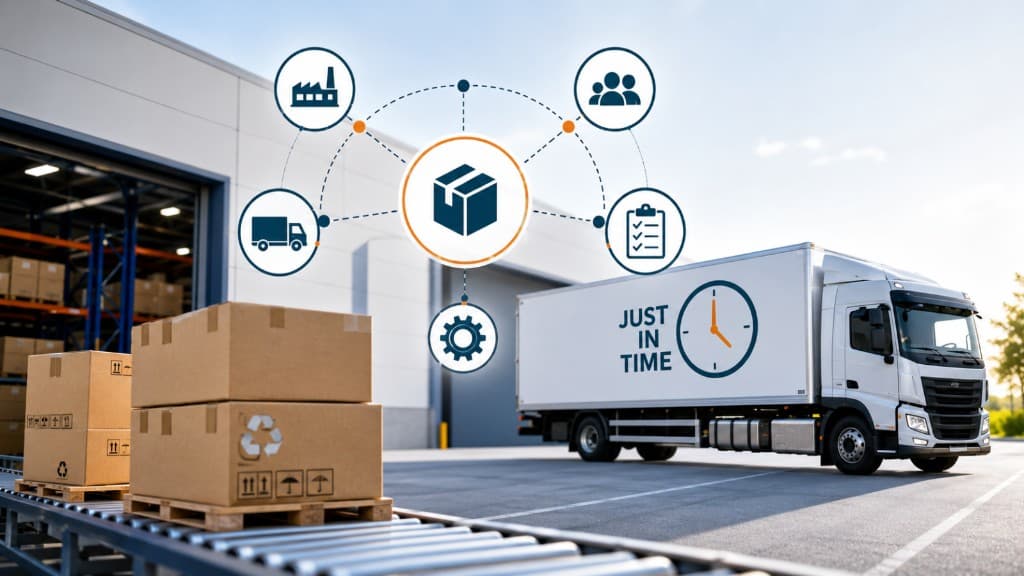
Overview
In today's highly competitive marketplace, businesses can no longer afford to tie up capital in excess inventory or operate with inefficient supply chain processes. Customers expect faster deliveries, markets shift rapidly, and disruptions can emerge without warning. To stay ahead, organizations need logistics strategies that balance efficiency, responsiveness, and cost control.
This is where Just-In-Time (JIT) logistics comes into play.
Rather than storing large quantities of inventory "just in case," JIT focuses on ensuring materials and products arrive exactly when they are needed. The result is lower inventory costs, improved cash flow, reduced waste, and a more streamlined operation.
However, successful JIT implementation requires more than reducing stock levels. It demands accurate forecasting, reliable suppliers, advanced technology, and a logistics network capable of supporting real-time demand.
In this guide, we'll explore the essential steps businesses can take to implement JIT logistics strategies effectively and build a supply chain that's lean, agile, and future-ready.
What Is JIT Logistics?
Just-In-Time (JIT) logistics is a supply chain management approach that aims to receive goods, materials, and components only when they are required for production or customer fulfillment.
The concept gained global recognition through the Toyota Motor Corporation Production
System, where reducing waste and improving operational efficiency became central to manufacturing excellence.
