
What Does a Freight Forwarder Actually Do? (And Why It Matters More Than Ever)
Freight forwarding involves much more than booking cargo. From customs clearance and shipping documentation to multimodal transport planning and risk management, freight forwarders play a critical role in global trade. This guide explains how freight forwarding works, what services are involved, and why choosing the right logistics partner can improve efficiency, reduce costs and strengthen supply chain resilience.
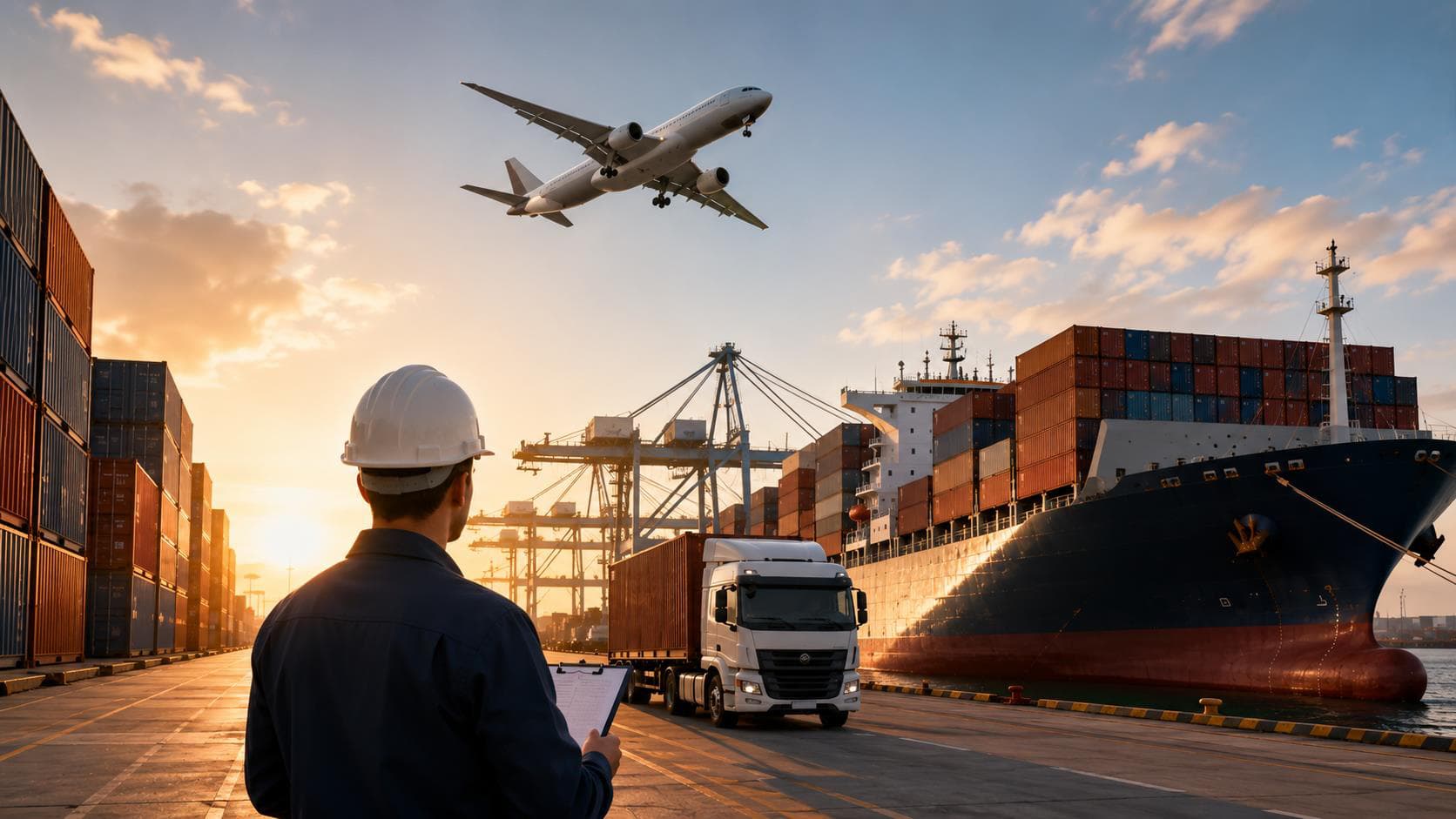
Overview
International trade has never been more connected—or more complicated.
A shipment moving from a manufacturer in Asia to a warehouse in the UK might involve multiple carriers, customs authorities, ports, warehouses, insurers, and compliance requirements before it reaches its final destination.
Many businesses assume a freight forwarder simply books transport. In reality, that's only one part of the job.
A professional freight forwarder acts as the operational coordinator behind global supply chains, ensuring cargo moves efficiently, complies with regulations, manages risk, and reaches its destination with minimal disruption. As international logistics becomes increasingly data-driven and regulation-heavy, the role of the freight forwarder has evolved from a shipping intermediary to a strategic logistics partner.
Beyond Booking Freight
At its core, freight forwarding is about managing the movement of goods from origin to destination.
However, the actual responsibilities extend far beyond arranging space on a vessel or aircraft. A freight forwarder plans the most efficient transport route, coordinates multiple logistics providers, manages documentation, oversees customs processes, monitors cargo movement, and resolves issues that arise during transit.
Rather than dealing separately with shipping lines, trucking companies, customs brokers, warehouses, and port operators, businesses gain a single point of coordination that keeps every part of the shipment moving together.
For importers and exporters, this reduces operational complexity while improving visibility throughout the supply chain.
